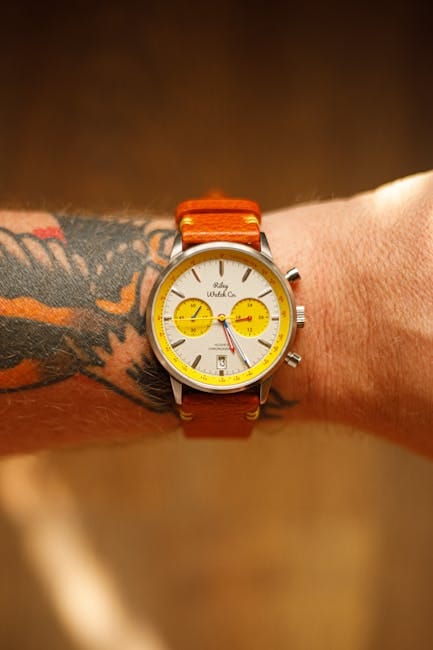
Thursday morning, 10 AM Eastern, the Hodinkee Shop site goes live with another limited edition drop. The countdown was announced Tuesday. The Instagram teaser hit Wednesday. By 10:03 AM the drop is sold out — 250 pieces gone in three minutes, half of them into the hands of people who bought with no intention of wearing, and half into waitlist-frustrated collectors who actually wanted the watch and will pay anything to not miss the next one.
This is the Hodinkee Shop drop cycle in 2026, and it has become one of the more distorting forces in the current collector market. Some drops are genuinely excellent watches at defensible prices. Others are mediocre collaborations trading on scarcity marketing. Learning to distinguish between them is worth real money, because the secondary market delta between good drops and bad drops can run $5,000-$15,000.
How the Shop Actually Works
Hodinkee Shop launched in 2013 as a small retail arm of the editorial site Hodinkee. Benjamin Clymer founded Hodinkee in 2008, and the shop grew from a sideline into the primary revenue driver for the business. By 2020 the shop was doing more revenue than the editorial operations, and by 2024 the limited edition collaboration program had become the primary commercial activity.
Drops typically involve Hodinkee partnering with a watch brand on a limited reference — usually 100-500 pieces — with distinctive dial colors, case configurations, or unique complications that don't appear in the brand's regular catalog. Hodinkee sells the pieces directly through the Shop at retail pricing set in collaboration with the partner brand.
The drops that have defined the current Hodinkee Shop aesthetic include the Hodinkee x Omega Speedmaster Professional "First Omega in Space" reference (2015), the Hodinkee x Heuer Carrera "Dato" (2018), the Hodinkee x Swatch MoonSwatch variations (2023-2024), and the more recent Hodinkee x Tudor and Hodinkee x Jaeger-LeCoultre collaborations throughout 2024-2025.
The Scarcity Marketing Problem
Drop scarcity is deliberate. Limited edition runs create buying urgency that standard retail doesn't, and the urgency drives secondary market premiums that benefit Hodinkee's brand partners even though Hodinkee doesn't directly profit from secondary market trading.
The problem is that scarcity becomes the product rather than the watch. A Hodinkee limited edition of 250 pieces with average design quality can outperform a Hodinkee limited edition of 1,000 pieces with superior design, because the 250-piece drop generates more urgency and more secondary market premium. This creates perverse incentives for increasingly artificial scarcity with decreasingly thoughtful collaboration content.
The Drops That Worked
Specific references that have held value and justified their hype, as of 2026 secondary market data.
Hodinkee x Omega Speedmaster Professional First Omega in Space (2015): Retail was $6,500. Current secondary market pricing runs $18,000-$24,000 for examples with complete box and papers. This collaboration worked because the dial configuration (vintage-style radial subdials, modified hour markers, reverse panda layout) was genuinely distinctive and mechanically matched a pre-1969 Speedmaster aesthetic. The edition was 1,962 pieces, large enough to matter but small enough to be genuinely collected.
Hodinkee x Vacheron Constantin Historiques Cornes de Vache 1955 Chronograph (2017): Retail was $45,000. Current secondary market runs $58,000-$72,000. This drop was genuinely excellent — a specifically modified variant of one of Vacheron's most historically important chronograph references, produced in an edition of 36 pieces. The small run plus the genuine horological content made this one of the best Hodinkee collaborations ever executed.
Hodinkee x Tudor Black Bay 58 Navy Blue (2019, and the follow-up variants in 2021 and 2023): Retail $4,250. Current secondary market for the original 2019 release runs $8,500-$11,000. The Navy Blue variant wasn't mechanically different from standard Black Bay 58 production, but the dial color was distinctive enough to be immediately recognizable, and Tudor's general brand momentum sustained demand.
The Drops That Didn't Work
Specific references that have underperformed or failed to deliver on their initial hype.
Hodinkee x MB&F HMX (2018): Retail was $45,000. Current secondary market runs $32,000-$38,000. The collaboration modified MB&F's HMX reference with specific dial and bridge variations, but the base reference had already achieved its collector peak before the Hodinkee version launched, and the modifications didn't add compelling value.
Several Hodinkee x Swatch MoonSwatch variants (2023-2024): Retail was $260 per piece. Many secondary market examples are now trading at or below retail because Swatch's subsequent drops diluted the initial collector interest. MoonSwatch generally has been a frustrating market where Hodinkee's specific variants lost value as the broader Swatch catalog expanded.
Hodinkee x Longines Legend Diver Red Wine (2020): Retail was $2,500. Current secondary market runs $1,900-$2,300. The dial color was interesting but not exceptional, the reference wasn't mechanically distinctive, and the edition size (750 pieces) was too large to maintain collector scarcity over time.
The Framework for Deciding
Three questions to ask before queueing for any Hodinkee drop.
First, would the base reference (stripped of the Hodinkee collaboration marketing) be worth owning at retail? If the answer is yes, the Hodinkee variant adds potential upside with limited downside. If the answer is no, the collaboration is probably trading on scarcity rather than merit, and the secondary market position is likely to soften.
Second, is the design modification genuinely distinctive, or cosmetic? Color changes alone rarely sustain collector interest over decades. Genuine modifications — different case configurations, different movement content, different dial architecture — create references that remain interesting even after the initial drop excitement fades.
Third, what's the edition size relative to brand production? A 200-piece drop from a brand that produces 5,000 watches annually is 4% of annual output — meaningful scarcity. A 200-piece drop from a brand that produces 50,000 watches annually is 0.4% — barely meaningful. The percentage of brand production matters more than the absolute edition size.
The 2025-2026 Drop Cycle
Recent Hodinkee drops that have launched in the past 18 months, with commentary.
Hodinkee x Zodiac Super Sea Wolf Skin Diver (2024): Retail $1,695, edition of 300. The base reference is decent but unremarkable. The Hodinkee modifications added a specific dial and bezel combination. Secondary market is soft at $1,500-$1,800. Skip unless you specifically want a dive watch in this price range.
Hodinkee x Farer Endurance Chronograph (2025): Retail $2,400, edition of 175. Farer is a small British brand with modest base production, so the edition size percentage is meaningful. The chronograph complication is competently executed. Secondary market is stable at retail. Worth considering for buyers interested in British microbrands.
Hodinkee x Tudor Black Bay 58 Burgundy (2025): Retail $4,400, edition of 750. The edition size is too large, and Tudor has produced enough Black Bay 58 color variants that each new color drop carries less weight. Secondary market is already below retail at $3,800-$4,200. Skip unless you specifically want this color.
Hodinkee x H. Moser & Cie Streamliner Flyback Chronograph (2024): Retail $42,500, edition of 100. Moser's design sensibility and the specifically tuned dial created one of the stronger recent Hodinkee collaborations. Secondary market is holding at retail-plus, running $44,000-$48,000. Worth buying if you can get an allocation.
Alternative Purchase Paths
For collectors frustrated with the drop cycle volatility, some alternative strategies.
Buy from the Hodinkee Shop's regular inventory rather than drops. The shop carries significant non-drop inventory including Tudor, Oris, Longines, and various vintage pieces. These listings don't generate drop excitement but often offer better value because they're not pricing in scarcity premiums.
Wait 6-12 months after drops to buy secondary market. Many drops that initially trade above retail will normalize within a year as speculators offload their pieces. The buyer who wants the watch for wearing rather than speculation often gets better pricing 6-12 months after the initial drop than on drop day itself.
Focus on drops from brands you'd buy from regardless. A Hodinkee x Omega collaboration is worth paying attention to because you'd buy a standard Speedmaster anyway. A Hodinkee x [brand you don't follow] collaboration is probably not worth chasing regardless of design.
The Current Drop Cycle Reality
Hodinkee drops have become more frequent in 2025-2026 (roughly one significant drop per month versus one per quarter in earlier years) and the quality has become more variable. Some drops are genuinely excellent. Others are clearly phoning it in.
This frequency increase has created drop fatigue among serious collectors. The once-a-quarter cadence that defined the 2018-2020 era created anticipation and thoughtful evaluation. The current monthly cadence creates churn without corresponding substance.
Expect this dynamic to continue into 2027-2028. Either Hodinkee adjusts the drop frequency back to quarterly cadence with higher quality per drop, or the drop mechanic itself gradually loses collector interest as buyers calibrate to the current noise-to-signal ratio.
The Actual Recommendation
Don't queue for every drop. Hodinkee's email marketing and social media are designed to create FOMO across every release, which is the exact behavioral pattern that costs collectors money. Allow most drops to pass without action. Wait for drops from brands you already care about, with design modifications that add genuine content, at edition sizes that create real scarcity.
The three-question framework above screens out probably 70% of current drops. Of the 30% that pass the framework, probably half are genuinely worth buying and the other half are close-calls that depend on personal taste and budget.
Skip the hype entirely on collaborations with smaller brands you don't already follow. The Hodinkee x [microbrand] collaborations rarely deliver long-term value, and they often depreciate significantly within the first year of ownership. If the base brand doesn't have established collector depth, the collaboration can't create that depth artificially.
Pay attention to Hodinkee x established luxury brand collaborations (Omega, Tudor, Vacheron, IWC, Longines in their premium references) where the base reference is genuinely collectible. These drops have the best odds of delivering both aesthetic satisfaction and secondary market stability.
Benjamin Clymer has built Hodinkee into a genuinely influential platform in watch collecting. The drops that have worked have been consequential. The drops that haven't worked have damaged collector trust in the selection process. Whether the balance of excellent-versus-mediocre drops improves going forward will determine whether the Hodinkee Shop retains its current market influence or gradually becomes just another retailer.
Buy the drops that are actually good. Skip the ones that aren't. Let the secondary market absorb the speculation premium on everything else, and save that capital for watches that will actually matter to your collection in 2035.