A Tuesday afternoon at a Rolex authorized dealer in Miami, spring 2026. The display case has the usual steel sports suspects — Submariner, GMT-Master II, Daytona — and then, isolated and ignored, a white gold Yacht-Master II. The sales associate admits she hasn't sold one in months. Most customers who ask about it immediately pivot to asking about GMT availability. The Yacht-Master II sits in the case and waits.
This is the story of the Yacht-Master II across most authorized dealers globally in 2026. The reference is genuinely interesting mechanically. It's expensive but not impossibly so. It's the most distinctive complication in the current Rolex sports catalog. And almost nobody is paying attention.
What It Actually Is
The Yacht-Master II reference 116689 (white gold) and 116680 (steel) is Rolex's only regatta chronograph. The complication is a programmable countdown timer from 1 to 10 minutes, with mechanical memory that allows the wearer to sync the countdown to external time signals and then reuse the same countdown for subsequent races without reprogramming.
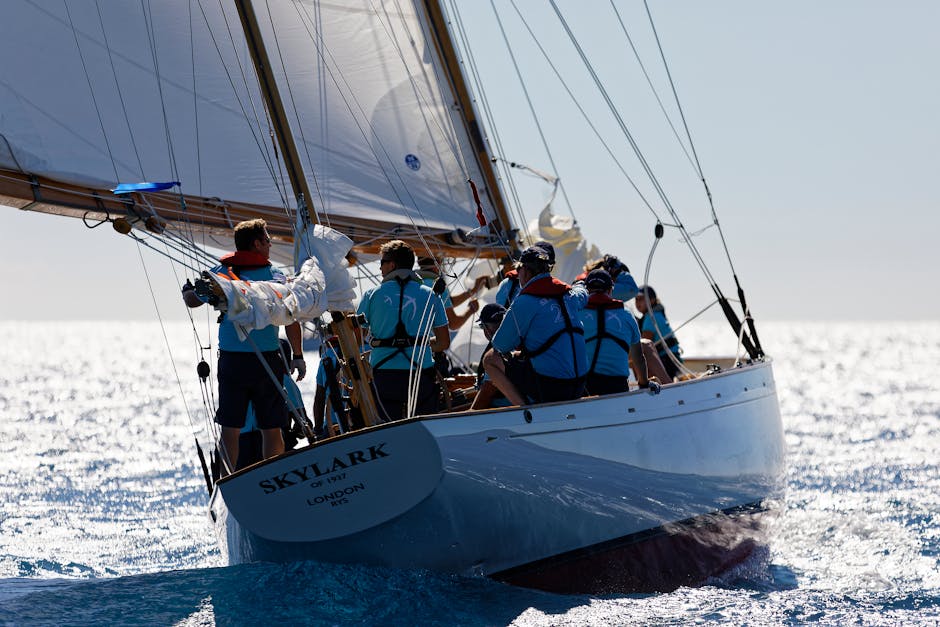
This is not a chronograph in the traditional sense. It doesn't measure elapsed time from zero. It counts down from a preset minute value toward zero, beeping (well, rotating a large countdown indicator) as it approaches the start signal. In competitive sailing, this is the definitive timing function — starts are everything in regatta racing, and a precise countdown that can be visually read without stopping to check subdials is genuinely useful.
Calibre 4161 is the movement. 44.2mm case, 72-hour power reserve, bi-directional rotating Ring Command bezel that locks into the programmable countdown system, 360 components, 7 patents registered for the complication mechanism. This is not a modified base calibre — it's a Rolex in-house movement specifically developed for this reference.
The Ring Command System
The Ring Command bezel is the aesthetic and mechanical signature of the Yacht-Master II. It's a large rotating bezel with minute markers around its circumference, and when rotated, it engages with the movement's regatta memory system. The integration is clever — the bezel is not just decorative, it's actually a programming input for the chronograph complication.
To program a countdown: unscrew the crown, rotate the bezel to select the countdown duration (1-10 minutes), push the crown back in, and the countdown is set. To sync with an external start signal, press the reset pusher when the official countdown reaches the closest whole minute mark. The watch's countdown adjusts to match the external timing reference, then maintains that sync for subsequent uses.
This is a genuinely clever mechanical solution to a real sailing problem. Traditional chronographs require continuous attention during the countdown sequence. The Yacht-Master II's regatta memory lets the helmsman focus on boat handling and tactical positioning while the watch manages the timing function independently.
Why Most Collectors Dismiss It
Four reasons, and they're all defensible even if they're not conclusive.
First, the 44.2mm case is large. On wrists under 7 inches, the Yacht-Master II overwhelms. Under a shirt cuff, the case height (15mm) creates noticeable pressure. This is not a desk-friendly watch, and unlike the Submariner or GMT-Master II, the size doesn't translate to a distinctive sports aesthetic that justifies the wrist presence.
Second, the dial is busy. The regatta countdown numerals around the bezel, the standard chronograph-style subdials, the distinctive red hand for the countdown pointer — all of these elements create visual density that collectors accustomed to Rolex's typically restrained dial design find overwhelming.
Third, the complication's practical use is limited to competitive sailing. Unlike a GMT (useful for travel) or a chronograph (useful for general timing), the regatta function is specifically designed for yacht racing starts. If you don't race, the complication is essentially decorative.
Fourth, the resale market is soft. A 2020 Yacht-Master II 116689 in white gold with papers trades around $28,000-$34,000 on secondary markets — significantly below the $55,000 retail. The complication isn't holding value the way simpler sports references do.
Why the Dismissal Is Partially Wrong
The Yacht-Master II's case for collector attention doesn't rest on widespread appeal. It rests on specific niche advantages that the mainstream Rolex catalog doesn't provide.
First, it's the only regatta chronograph Rolex currently produces. If you're a serious sailor (or appreciate complications that have genuine practical use beyond pure aesthetics), the Yacht-Master II is the only Rolex option. Competitors in this space — Omega Seamaster Diver 300M regatta variants, various Panerai and IWC regatta chronographs — don't match the mechanical sophistication of the Ring Command bezel programming.
Second, the watch has become genuinely accessible at authorized dealers. While GMT-Master II and Submariner references maintain 18-month waitlists with allocation drama, the Yacht-Master II is available for walk-in purchase at most authorized dealers. For buyers who want a Rolex without the waitlist theater, this is real.
Third, the weaker secondary market creates a buying opportunity if you're not concerned about resale. That $28,000-$34,000 pricing on lightly worn examples is genuinely below comparable luxury sports chronographs from other brands. The question is whether the lower price reflects lower demand that will persist, or whether it creates entry-point value for patient buyers.
The Reference Breakdown
Reference 116680 is the steel Yacht-Master II. Retail $19,200 at current authorized dealer pricing. This is the accessible entry point and the most commonly encountered variant on secondary markets. Steel with blue Cerachrom bezel, white dial.
Reference 116689 is the 18k white gold Yacht-Master II. Retail $55,200. Heavy (roughly 220 grams), distinctive, specifically designed as a statement piece for buyers who want the complication in precious metal. Platinum-coated blue Cerachrom bezel, blue dial (the blue dial on white gold is a Rolex convention that signals the metal without being obvious about it).
Reference 116681 is two-tone steel and Everose. Retail $30,400. Split the difference on materials and price. Black dial with red details. This reference has historically been the least popular of the three variants but has seen slightly increased interest in 2025-2026 as the broader two-tone trend has returned.
The Steel Version Specifically
At $19,200 retail, the steel 116680 is actually a remarkable value proposition if you want a complicated Rolex. A Daytona in steel, when you can find one, is $15,500 retail but actually trades at $32,000+ on secondary markets. A GMT-Master II in steel at $10,800 retail trades at $15,000-$18,000 secondary. The Yacht-Master II in steel trades at $13,000-$16,000 secondary.
This inverse relationship — where the more complicated watch trades at a smaller secondary market premium — creates the case for buyers who want Rolex mechanical content without Rolex hype tax. You pay more at retail but less at secondary, which means the total cost of ownership is actually competitive with simpler Rolex references.
The Wearing Test
I wore a steel Yacht-Master II daily for two weeks in 2025. Some observations.
The case size adapts better than expected. The 44.2mm diameter sounds aggressive, but the Ring Command bezel visually fills the dial differently than a standard rotating bezel, which means the effective visual size is closer to 42mm. On a 7.25-inch wrist, the watch proportions correctly without looking oversized.
The weight is substantial but not fatiguing. Steel version runs around 160 grams with the full Oyster bracelet. This is lighter than the comparable Panerai regatta watches (which weigh 180-200 grams) but heavier than a GMT-Master II in steel. After the first few days, the weight becomes part of the wearing experience rather than a distraction.
The dial busyness decreases with familiarity. After a week, the regatta countdown numerals around the bezel become functional rather than decorative, and the red countdown hand reads as a distinctive identity feature rather than visual noise. This takes adjustment time that most authorized dealer customers don't give the watch.
The Complication's Actual Use
Programming a countdown is genuinely satisfying. The bezel rotation clicks into the minute markers with specific mechanical resistance — you can feel the countdown duration being selected. Pushing the crown back locks the program. Starting the countdown via the pusher is smooth.
For non-sailors, the complication can be used as a general countdown timer. Cooking a 6-minute egg. Timing a conference call presentation. Egg timers aren't a luxury watch use case, but the regatta function translates to various practical countdown applications if you use it creatively.
The Collector Positioning
Who should buy a Yacht-Master II in 2026?
Competitive sailors. This is the most defensible category. If you actually race sailboats competitively, the Yacht-Master II is functional equipment that also happens to be a luxury watch. The regatta memory is genuinely useful. No other category of buyer has this pure use-case justification.
Collectors building a themed Rolex collection. If you already own a Submariner, GMT-Master II, Daytona, and want to complete a sports references set, the Yacht-Master II is the remaining complication Rolex currently makes. This is completionist collecting rather than rational purchase logic, but collectors are often completionists.
Buyers who want steel Rolex without the waitlist. The Yacht-Master II 116680 is available for retail purchase at most dealers in 2026. If walking into a dealer and buying a new Rolex matters more than owning the most popular reference, the Yacht-Master II delivers on that specifically.
Who Should Skip It
First-time Rolex buyers. Go buy a Submariner, GMT-Master II, or Datejust. The Yacht-Master II's specific appeal requires context that only develops after owning simpler references first.
Collectors focused on investment return. Secondary market softness is likely to persist. This is not a watch to buy for appreciation.
Buyers with wrist size under 6.75 inches. The 44.2mm case genuinely overwhelms small wrists. No strap adjustment solves this — it's a proportion issue.
The Actual Recommendation
If you're a sailor and you want a Rolex regatta watch, buy the steel 116680 at retail. $19,200 is fair pricing for a Rolex in-house regatta chronograph with full Rolex service infrastructure behind it. You'll use the complication regularly, and the watch will earn its place in a collection through actual function rather than symbolic value.
If you're a collector who wants an unusual Rolex that most people won't recognize, the white gold 116689 at secondary market pricing ($28,000-$34,000 for 2020-2022 examples) offers the most distinctive wrist presence in the current Rolex catalog. It won't appreciate. It might depreciate slightly further. But it's visually unmistakable and mechanically interesting.
Skip the two-tone 116681 unless you specifically want that aesthetic. The steel and white gold versions are clearer value propositions in their respective price bands.
Rolex has made approximately 4,000 Yacht-Master II references annually since 2007. There are perhaps 70,000 examples in global circulation. The watch is not rare. But it is overlooked, which creates space for collectors who actually use it to buy without competing against hype-driven demand. For the specific buyer, that's genuinely valuable.