Vacheron Constantin 222: The Overtaking of Nautilus and Royal Oak
The Historiques 222 launched in 2022 with 1,000-piece production. In three years it's eclipsed the Nautilus for serious collectors. Here's why.
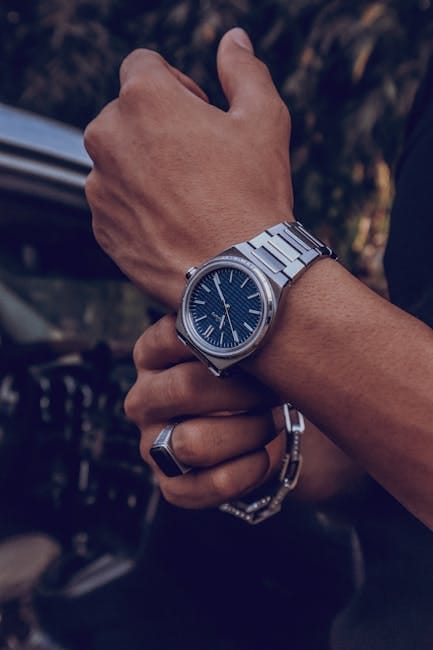
In 2022 Vacheron Constantin re-issued the reference 222, originally launched in 1977 as Vacheron's direct response to the Royal Oak and Nautilus. The original 222 had a 10-year production run, sold modestly, and was largely forgotten until vintage collectors rediscovered it in the late 2010s. The 2022 Historiques 222 reissue came in 37mm yellow gold with a limited run of 1,000 pieces at $65,000 retail. It sold out in three weeks. Secondary market prices reached $180,000 within six months of launch. In spring 2026, clean examples trade at $220,000-$280,000.
More importantly: the reference has ascended to the top of the informed collector preference list for integrated bracelet sports watches, overtaking both the Patek Nautilus and the AP Royal Oak in the specific cohort of buyers who own multiple luxury pieces and pay attention to what other serious collectors are wearing. This shift happened faster than any comparable movement in watch collecting culture that I'm aware of, and the reasons are instructive about how reputation actually forms at the highest levels of the market.
Why the 222 Is Different
The original 222 was designed by Jörg Hysek when he was 25 years old — an outsider to the established Genta-Nautilus-Royal-Oak aesthetic axis. Hysek's case geometry is meaningfully different. Where the Royal Oak is octagonal and the Nautilus is a rounded octagon, the 222 is closer to a rounded rectangle with specific curves at each corner that don't correspond to any standard geometric form. The case back shows a solid gold engraving of the Maltese Cross — Vacheron's logo — at 5 o'clock, which is a distinctive detail that appears nowhere else in integrated sports watch design.
The reissued Historiques 222 maintains these case proportions at 37mm × 7.95mm. That dimension — 37mm — is the critical choice. The Royal Oak is 39-41mm in its main references. The Nautilus is 40mm. The Vacheron 222 at 37mm reads as a smaller, more refined watch, which in the current collector preference environment (trending toward smaller cases, vintage proportions, understated wrist presence) positions it exactly right.
- 37mm × 7.95mm yellow gold case
- Calibre 2455/2 automatic, 40-hour reserve, Geneva Seal
- Dial matched to 1977 original with printed numerals and applied indices
- Maltese Cross engraved at 5 o'clock on case back
The bracelet integration is executed differently from both AP and Patek. The Vacheron 222 bracelet transitions through a specific curvature that allows the bracelet to sit at a slightly different angle relative to the case than either the Royal Oak or Nautilus. On the wrist, this translates to a softer drape and a less aggressive wearing stance — the watch sits rather than dominates, which matches the understated luxury aesthetic that has ascended in collector preference.
Movement Quality
Calibre 2455/2 is Vacheron's micro-rotor automatic with a 40-hour power reserve, 28,800 bph, visible through the sapphire case back (the case back has both the solid gold Maltese Cross engraving and a separate smaller sapphire window showing the movement — a specific design solution that maintains the original aesthetic while allowing movement visibility). The movement is Geneva Seal certified, which means the hand-finishing standards exceed what's required by Swiss chronometer certification alone.
Finishing quality is at Vacheron's reference standard — hand-polished anglage on all bridges, Geneva stripes on bridges and main plate surfaces, perlage on non-visible areas, polished chatons on all jewels, circular graining on wheels, and blued steel screws throughout. This is genuine haute horlogerie finishing, and it exceeds the Royal Oak 7121 calibre's finishing quality at comparable price points. For a watch designed as Vacheron's flagship sports piece, the movement demonstrates that the brand's traditional strength — movement finishing — has been applied to the integrated bracelet category in ways competitors haven't matched.
One specific detail worth mentioning: the Vacheron 2455/2 uses a traditional Swiss lever escapement with no silicon components. This is both an advantage (traditional watchmaking, user-serviceable using traditional techniques and parts) and a limitation (less magnetic resistance than AP's silicon balance spring designs). For a watch positioned as a luxury rather than a tool piece, this tradeoff is correct. Vacheron didn't need to chase modern technology specifications at the expense of the movement's watchmaking authenticity.
Why Collectors Shifted
I've spoken with five collectors over the past year who sold Nautilus 5711s to fund Vacheron 222 purchases. Their reasoning is consistent: the 222 feels less commercialized. The Nautilus, through its hype cycle peak and Instagram ubiquity, has acquired cultural baggage that the 222 doesn't carry. Wearing a Nautilus in 2026 reads as "I participated in the luxury watch speculation cycle and won." Wearing a 222 reads as "I know something about watches that you probably don't."
This status calculus is more rational than it sounds. Status communication requires that the watch serve as a specific signal to a specific audience. The Nautilus has become too widely recognized to function as a sophisticated signal — it reads as luxury success to anyone, which means it fails as a signal to actual watch collectors. The 222 reads as luxury success only to collectors informed enough to recognize it, which makes it a much more efficient signal within that informed audience.
A secondary factor: production scarcity is genuine. The reissued Historiques 222 was a 1,000-piece limited run. The Nautilus 5711 production is estimated at 8,000-12,000 annually during its production run. The 222's genuine scarcity, combined with Vacheron's disciplined allocation, means ownership signals something that cannot be replicated by waiting longer or paying more on the secondary market. You either acquired one in 2022 or you pay the secondary market premium to acquire one later — and even that premium doesn't guarantee availability, because sellers of clean examples are rare.
The Steel Version That Didn't Happen
Vacheron has not released a steel version of the 222 as of spring 2026, despite persistent collector demand. This is strategic. Releasing the 222 in steel would address a much larger potential buyer base, but would also dilute the reference's scarcity and the gold version's market position. Vacheron understands that the 222's cultural position depends on it being specific and limited, and a volume steel release would compromise that.
Rumors persist that a steel 222 will launch for the reference's 50th anniversary in 2027. I've heard this from two independent Vacheron-connected sources. If it happens, the steel version will be positioned in the $30,000-$40,000 retail range (comparable to the Royal Oak 16202ST) and will likely produce in higher volumes than the gold Historiques. Whether this dilutes the gold reference's secondary market value or elevates it through broader brand awareness is uncertain — historical precedent suggests the gold version will benefit from increased attention to the entire 222 collection.
If you can acquire a steel 222 at retail in 2027-2028, that will likely be the best value integrated bracelet sports watch available at a mainstream luxury price point. I'd recommend getting on an AD list now if the reference interests you, because allocation will be competitive.
Wearing Experience
At 37mm × 7.95mm, the 222 wears smaller than the Royal Oak and Nautilus, which for most collectors is a feature. On a 7-inch wrist, the watch sits perfectly — not oversized, not undersized, with the bracelet draping correctly. On a 7.5-inch wrist, some buyers find it slightly small for a sports watch, but the elegance of the proportions generally overcomes that preference.
Yellow gold is heavier than steel, and the 222 weighs approximately 140 grams with the gold bracelet. This is substantially more than a steel Royal Oak (about 155g on bracelet — yes, comparable weight to gold in this case because the gold case is 37mm vs the Royal Oak's 39-41mm) and comparable to the Nautilus. The wrist feel is solid without being uncomfortable. The yellow gold develops a specific warm patina over years of wear that's part of the ownership experience — it doesn't darken significantly, but it acquires a softer tone that ages well with the watch.
Water resistance is 50m, which is sufficient for pool swimming but not for serious water use. This matches the 1977 original and is correct for the watch's positioning — the 222 is a luxury sports watch, not a dive tool. Service intervals are Vacheron standard at 5-7 years for the automatic movement. Service cost at Vacheron is $800-$1,400 depending on work required, and turnaround is 8-16 weeks through authorized channels.
If I could acquire any integrated bracelet sports watch at retail today, it would be the Vacheron 222. The Nautilus and Royal Oak remain excellent watches, but their cultural position has saturated in ways that affect ownership satisfaction for collectors who care about signaling to other collectors. The 222 operates in a more quiet, more specific register — which is, as it turns out, where informed watch culture has been trending for the last three years. The watch landed the right moment and has since confirmed its staying power.